Elevated dog beds — also called raised dog beds, pet cots, or dog hammock beds — have grown from a niche product to one of the fastest-growing pet bed categories, with year-over-year growth exceeding 23% in 2025. Veterinarians, pet retailers, and dog owners increasingly recognize that getting a dog off the floor delivers measurable health benefits.
This guide covers the science behind why elevated beds work, how to choose the right size and material, and what retailers and distributors should know about sourcing them. If you are looking specifically for wholesale sourcing details, see our dedicated elevated dog bed wholesale sourcing guide.
Why Veterinarians Recommend Elevated Dog Beds
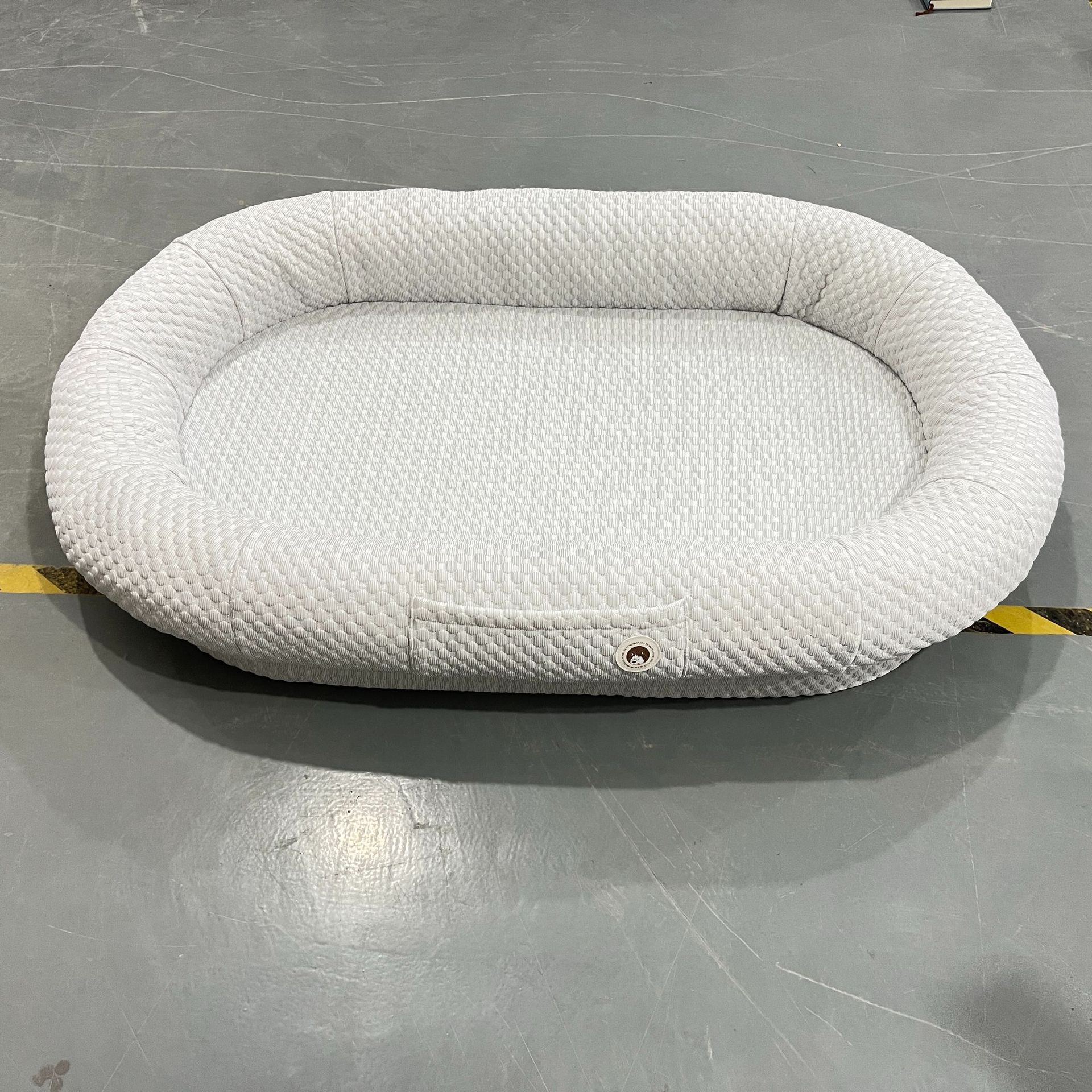
Veterinary endorsement is the single strongest selling point for elevated dog beds. Here is what the research and clinical experience show:
1. Joint Health and Orthopedic Support
The flat, taut sleeping surface of an elevated bed distributes a dog's weight evenly across the entire body. Unlike soft beds where dogs sink into a "hammock" shape — creating pressure points at the hips and shoulders — raised beds maintain spinal alignment similar to how orthopedic mattresses work for humans.
A 2023 study published in the Journal of Veterinary Internal Medicine found that dogs with moderate hip dysplasia showed 18% improvement in mobility scores after 8 weeks of sleeping on firm, elevated surfaces compared to traditional padded beds. The elevated surface also reduces the "crouch-to-lie-down" motion by 15-20 cm, which is significant for dogs with knee (cruciate ligament) or hip pain.
2. Temperature Regulation
Elevated beds create a 5-10 cm air gap between the dog and the floor. This air gap provides:
- Cooling in summer: Convective airflow underneath carries heat away from the dog's body. Surface temperature measurements show elevated beds run 3-5 degrees Celsius cooler than padded floor beds in the same environment.
- Insulation in winter: The air gap prevents conductive heat loss to cold concrete, tile, or hardwood floors. Dogs in garages, basements, or unheated porches benefit significantly.
- Humidity control: Mesh surfaces allow moisture from drool, wet fur, or accidents to evaporate rather than pooling — reducing bacterial growth and odor.
3. Hygiene and Allergen Reduction
Floor-level sleeping exposes dogs to dust, dust mites, flea eggs, and tracked-in debris. Elevation of just 15-20 cm moves the sleeping surface above the "dust zone" where most particulate matter settles. For dogs with skin allergies or chronic ear infections, this elevation can reduce symptom flare-ups.
4. Post-Surgery Recovery
Veterinary surgeons frequently recommend elevated beds for post-operative recovery because they provide a firm, non-shifting surface that prevents the dog from "nesting" into soft bedding that can put pressure on surgical sites. The height also makes it easier for caregivers to monitor incisions and apply medications.
Elevated Dog Bed Size Chart
Correct sizing is critical for both comfort and sales success. Offering the wrong size range for your market will drive returns. Here is our comprehensive size chart:
| Size | Bed Dimensions (L x W x H) | Dog Weight | Example Breeds | Sleeping Style |
|---|---|---|---|---|
| Small (S) | 65 x 45 x 18 cm | Up to 10 kg | Chihuahua, Pomeranian, Yorkie, Toy Poodle | Curlers and nesters |
| Medium (M) | 90 x 60 x 20 cm | 10-25 kg | Beagle, Cocker Spaniel, Corgi, Shiba Inu | Curlers and side sleepers |
| Large (L) | 110 x 75 x 22 cm | 25-45 kg | Labrador, Golden Retriever, Husky, Border Collie | Side sleepers and sprawlers |
| X-Large (XL) | 130 x 90 x 25 cm | 45-75 kg | German Shepherd, Rottweiler, Great Dane, Mastiff | Sprawlers |
Retailer tip: If your market is in the US or UK, stock heavy in L and XL — these are the top-selling sizes. In Asian markets (Japan, Korea), S and M dominate. Knowing your market's breed demographics determines which sizes to inventory.
Frame Materials Compared
The frame is the structural backbone of every elevated bed. Material choice determines weight capacity, durability, price point, and target customer.
| Feature | Powder-Coated Steel | Anodized Aluminum | HDPE Plastic |
|---|---|---|---|
| Weight (Medium) | 2.5-3.5 kg | 1.2-1.8 kg | 1.5-2.2 kg |
| Weight capacity | 40-75 kg | 30-50 kg | 20-35 kg |
| Rust resistance | Good (if coating >60 microns) | Excellent (natural oxide layer) | N/A (no rust) |
| UV resistance | Moderate (coating may fade) | Excellent | Good (with UV stabilizer) |
| FOB price (Medium) | $4.50-$7.00 | $8.00-$13.00 | $3.50-$5.50 |
| Best for | Indoor, budget-premium lines | Outdoor, camping, premium | Budget lines, light dogs |
For most retailers targeting mid-range customers, powder-coated steel is the sweet spot. It offers the best balance of durability, weight capacity, and margin. Aluminum commands a 30-40% retail premium and appeals to outdoor/adventure pet owners.
Sleeping Surface Materials
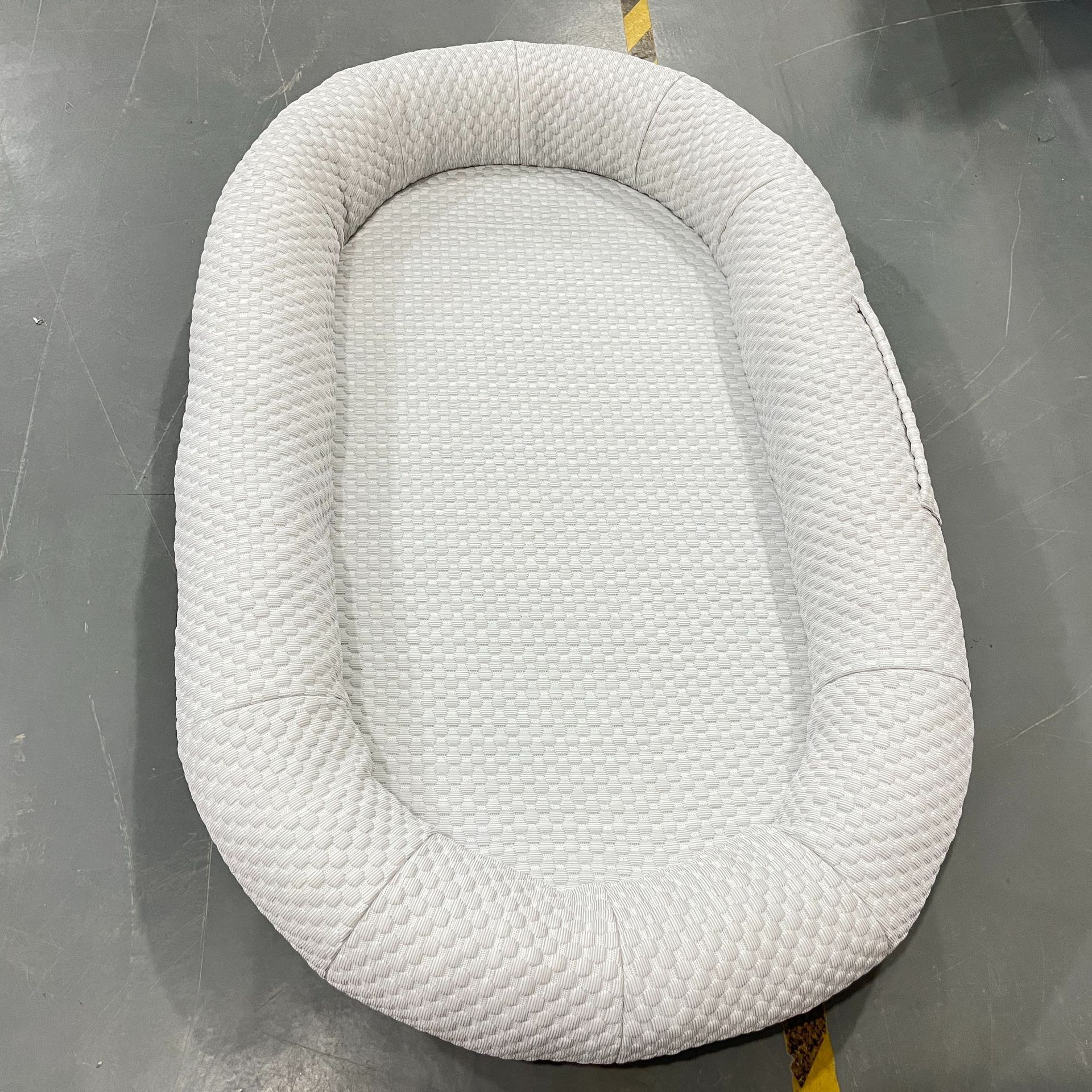
Teslin Mesh (1x1 Weave)
The most popular surface material for elevated beds. Teslin mesh is a PVC-coated polyester fabric woven in a 1x1 pattern that provides:
- Breathability: Air flows freely through the weave
- Easy cleaning: Hose off, air dry in minutes
- UV resistance: Rated for 1,000+ hours of direct sun exposure
- Weight: 380-550 g/m2 (heavier = more durable)
- Tensile strength: 500N minimum per ASTM D5034
600D/1680D Oxford Fabric
For buyers who want a more cushioned sleeping surface, Oxford fabric elevated beds include a removable pad. This hybrid approach combines the elevation benefits with traditional bed comfort. Best for indoor use and colder climates where maximum airflow is less desirable.
Ballistic Nylon
Premium, tear-resistant option used in chew-proof elevated beds. Typically 1050D-1680D with PU coating. Cost is 2-3x Teslin mesh but offers superior chew resistance for destructive dogs.
Who Should Sell Elevated Dog Beds?
Elevated beds serve multiple customer segments, making them versatile inventory for different retail channels:
- Pet specialty retailers: Position alongside orthopedic and senior dog products. Vet recommendation is the primary selling tool.
- Outdoor/camping retailers: Aluminum-frame elevated beds are popular with camping and RV communities. Lightweight, packable, and washable.
- Amazon/e-commerce sellers: Elevated beds photograph well, ship flat (low-cost fulfillment), and have strong keyword search volume (27,000+ monthly searches for "elevated dog bed" in the US).
- Veterinary clinics: Many vets sell recommended products directly. Elevated beds are a natural upsell during arthritis or recovery consultations.
Elevated Beds vs. Traditional Dog Beds: Head-to-Head
| Criteria | Elevated Bed | Traditional Padded Bed |
|---|---|---|
| Joint support | Excellent — flat, even weight distribution | Varies — depends on foam quality |
| Cooling | Superior — airflow underneath | Limited — traps body heat |
| Cleaning | Easy — hose off, air dry | Moderate — machine wash covers |
| Chew resistance | High — metal frame, tight mesh | Low to moderate — fabric tears |
| Portability | Excellent — folds flat, lightweight | Bulky — hard to travel with |
| Winter warmth | Lower — needs added blanket | Higher — insulating materials |
| Price point (retail) | $25-$75 | $20-$120 |
| Shipping cost | Low — flat-pack | High — bulky, especially foam beds |
Wholesale Sourcing Considerations
For distributors and retailers looking to add elevated beds to their product line:
- MOQ: Standard 200 pcs per size for stock designs; 500 pcs for custom colors/branding.
- Packaging: Flat-packed in individual boxes. A 20ft container holds 2,000-3,000 medium beds. Color-printed retail boxes add $0.30-$0.50 per unit.
- Replacement parts: Smart retailers stock replacement mesh surfaces (sold separately at $8-$12 retail). Mesh wears out in 2-3 years for active outdoor dogs, creating a recurring revenue stream.
- Assembly: Most elevated beds require simple tool-free assembly (snap-fit legs into frame). Include clear, photo-based instructions to minimize customer support calls.
Feitu Pet manufactures elevated dog beds in all frame materials and surface types. Browse our pet bed collection or our waterproof outdoor dog bed for elevated options. Contact us for samples and wholesale pricing.
Related reading: Dog Bed Types & Sizes Guide | Chew-Proof Dog Beds for Heavy Chewers